OPEN HOUSE — NO. 05
Designing for How You Want to Feel
By Amitta Sathitsamphan — Studio Balançoire
31 October 2026
Colours, furniture, style: there are plenty of places to start when you’re designing or redecorating a space. With time and experience, though, the place I always come back to is a feeling. If that’s a new way of thinking about a room, I hope it gives you a fresh idea or two.
So let’s leave the style label alone for a moment. No need to decide whether the room is “mid-century” or “70s vintage”. Start instead with how you want it to feel: relaxed, warm, easy, somewhere you can simply be. From there, everything else has something to answer to. The materials, the colours, the furniture, even which rooms deserve the most attention. The look comes later, almost as a side effect.
Most of us start at the other end. We choose a sofa, then a rug to go with the sofa, then a mood to justify the rug. (I’ve done it. I’m not proud.) And sometimes we end up standing in the finished room feeling strangely nothing about it.
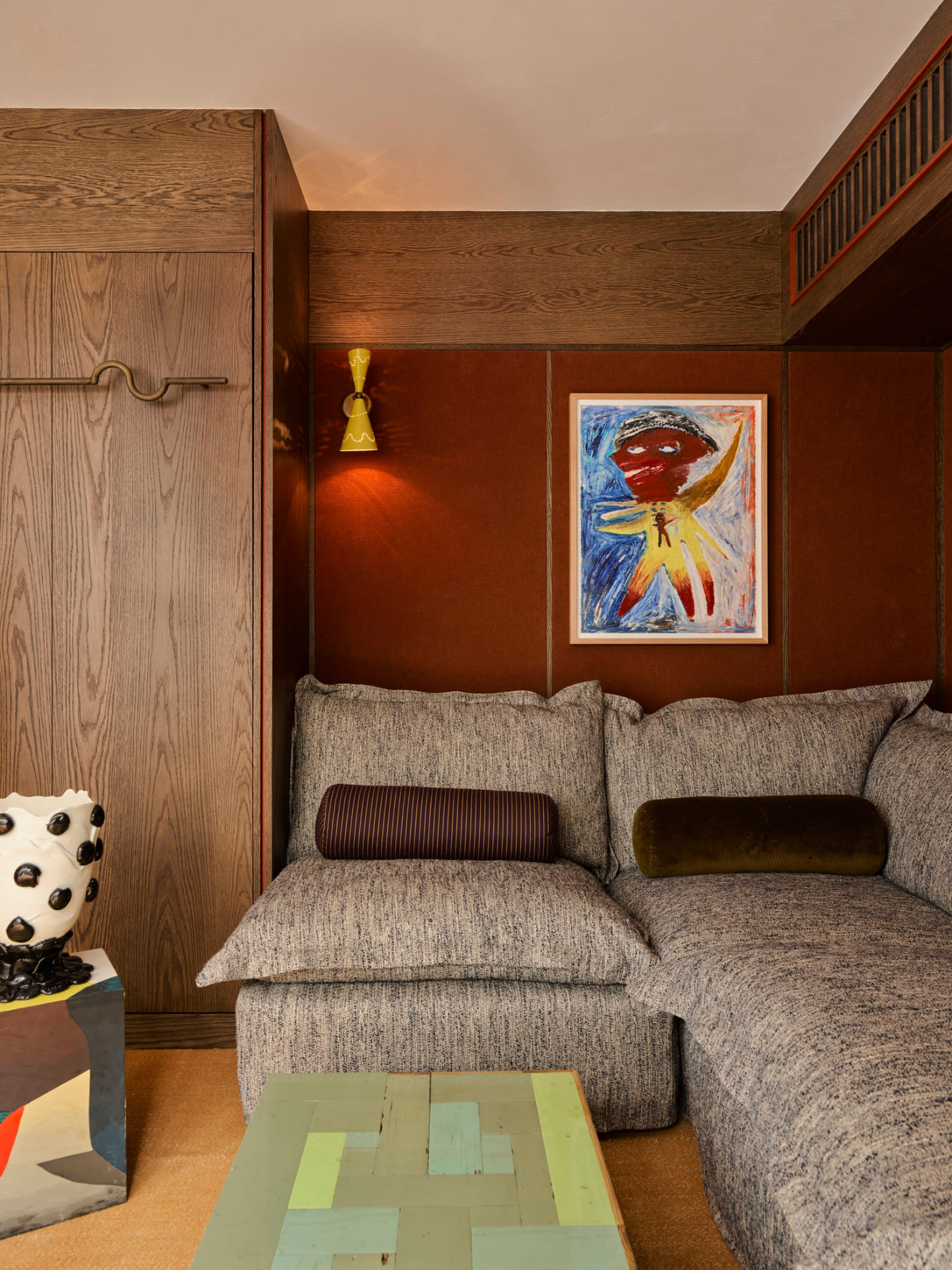
Design for staying
Imagine a reading nook by French doors that open onto the garden, or a kitchen that feels relaxed the moment you walk in. The best rooms don’t necessarily have to be the impressive ones. They’re the ones you don’t want to leave.
Design for the life we actually have
A home is allowed to be small, snug and a little crowded with things we love. It doesn’t need endless bedrooms to feel generous. It is also allowed to be unusual: the dining room nobody dines in can become a reading room, and the spare room that is secretly a storage unit can become somewhere we genuinely want to spend time.
Ask what a room is for, not what it’s called
Back in 2018, in San Francisco near the Palace of Fine Arts, we turned the space under the main staircase into a wine cellar. We even dug down to create enough room for spiral bottle storage. It was a corner nobody would have called a room until someone asked what it could actually be for. If a space doesn’t match the way we live, we change the space — not the habits.
So before you buy a home, or before you move into a new place, try asking yourself a few questions:
How do you want to feel when you walk through the door?
Where would you actually like to sit, eat and lose track of time?
Which room do you never use, and what would make you use it?
Write the answers down. Pen and paper, ideally in your pyjamas. They will tell you more than almost any mood board because they begin with your actual life, not an image of someone else’s.
Then, and only then, start choosing things. A chair becomes much easier to pick once you know it is meant to feel like a hug rather than make a statement.
That’s the whole idea, really. Design for the feeling, and the style usually finds its way into place on its own.
And you — how do you want your home to feel?